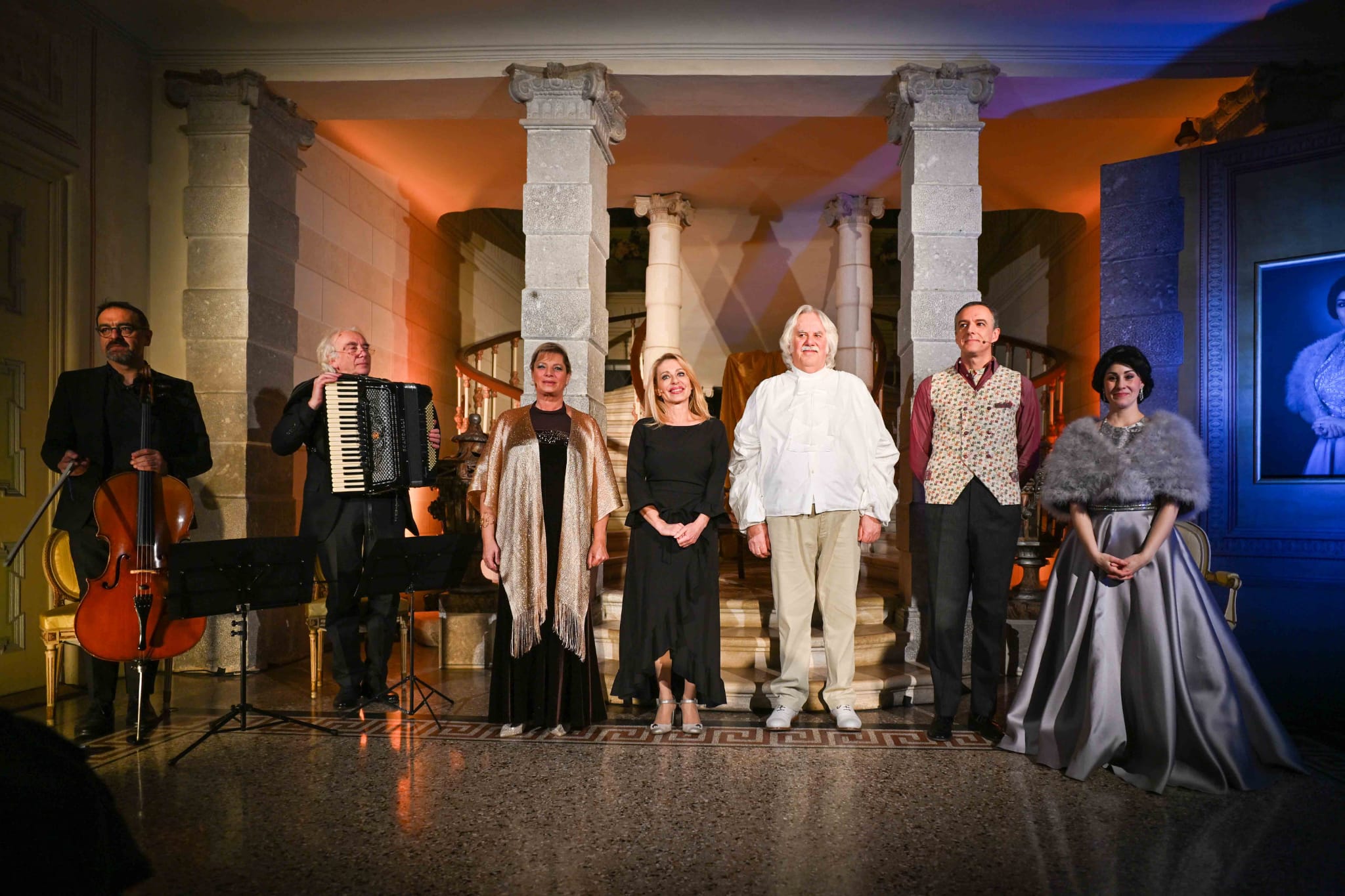
Tasty kisses. Of dishes and loves was born as an act of gratitude to Giuseppina Perusini Antonini (1874-1975), a woman who knew how to cross the 20th century in Friuli, leaving a deep and lasting mark on the culture, agriculture and identity of the territory. Fifty years after her death, Teatri Stabil Furlan dedicates a show to her that is not simply a commemoration, but a conscious restitution of an extraordinary female figure, capable of combining entrepreneurial vision, artistic sensitivity and civic responsibility.
A painter and writer, but above all a woman capable of taking command of her own destiny in an era that rarely allowed it, Giuseppina Perusini Antonini, upon the death of her husband Giacomo Perusini, who fell in World War I, guided the family business toward modernity. She initiated the revival of Friulian wines on national and international markets, establishing herself as one of the first female protagonists of Italian oenology. Luigi Veronelli, who met her when she was in her eighties, described her as one of the most fascinating and charismatic women he had ever met. Azienda Perusini is among the fifty happy few included by Veronelli in the Gotha of “I Vignaioli Storici Italiani” (1986).
Her action was not limited to the enterprise: Giuseppina was a lucid and educated interpreter of the territory, aware that wine and food were an expression of a civilization, a history and a community.
This vision found accomplished form in 1962 with Mangiar e ber friulano, the first printed collection of regional food and wine traditions: a pioneering work that anticipated by decades the contemporary concept of gastronomic heritage as a cultural asset. In that book, as in his life, cooking becomes an identity narrative, a gesture of love, a place of transmission of memory.
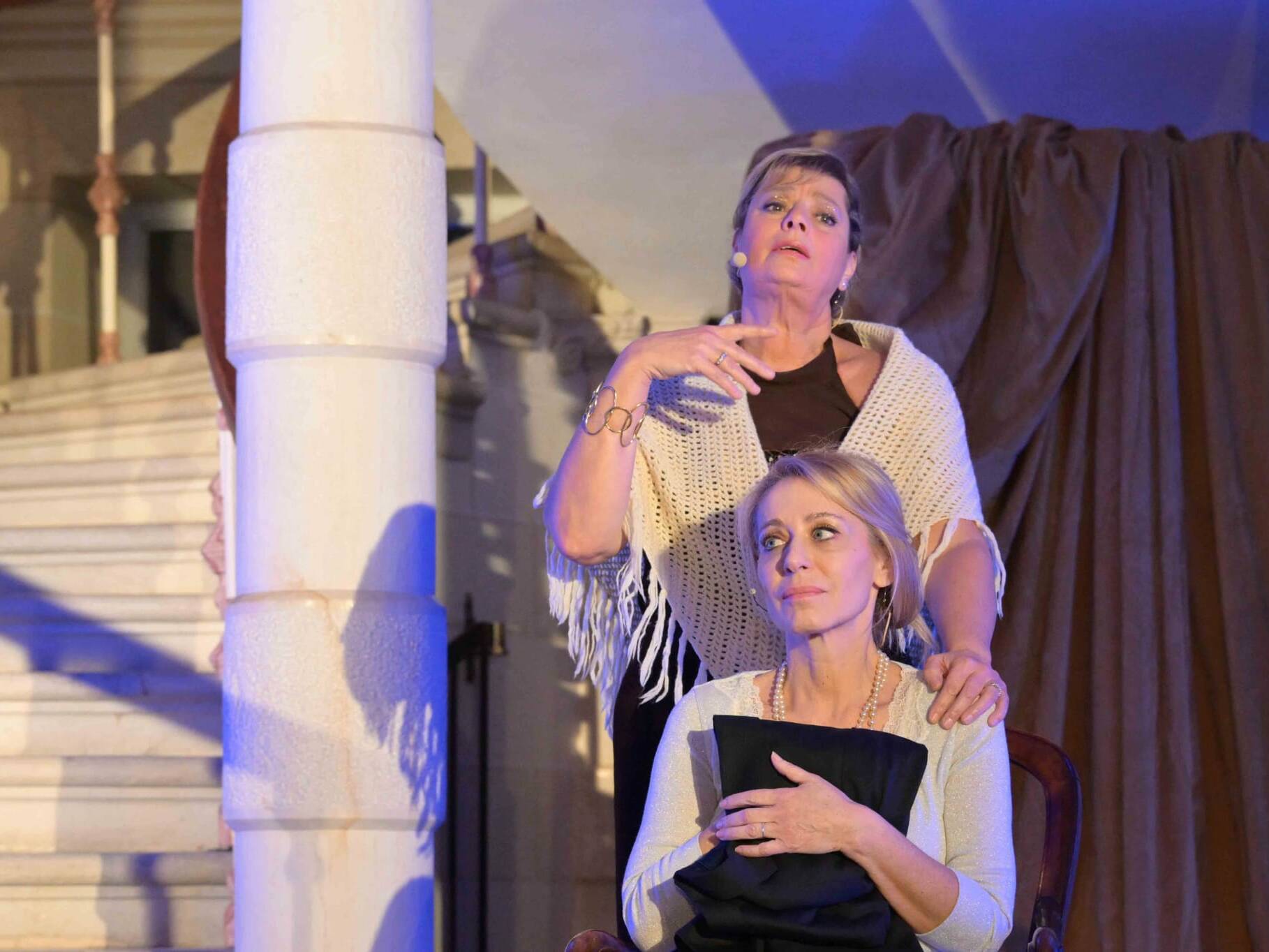
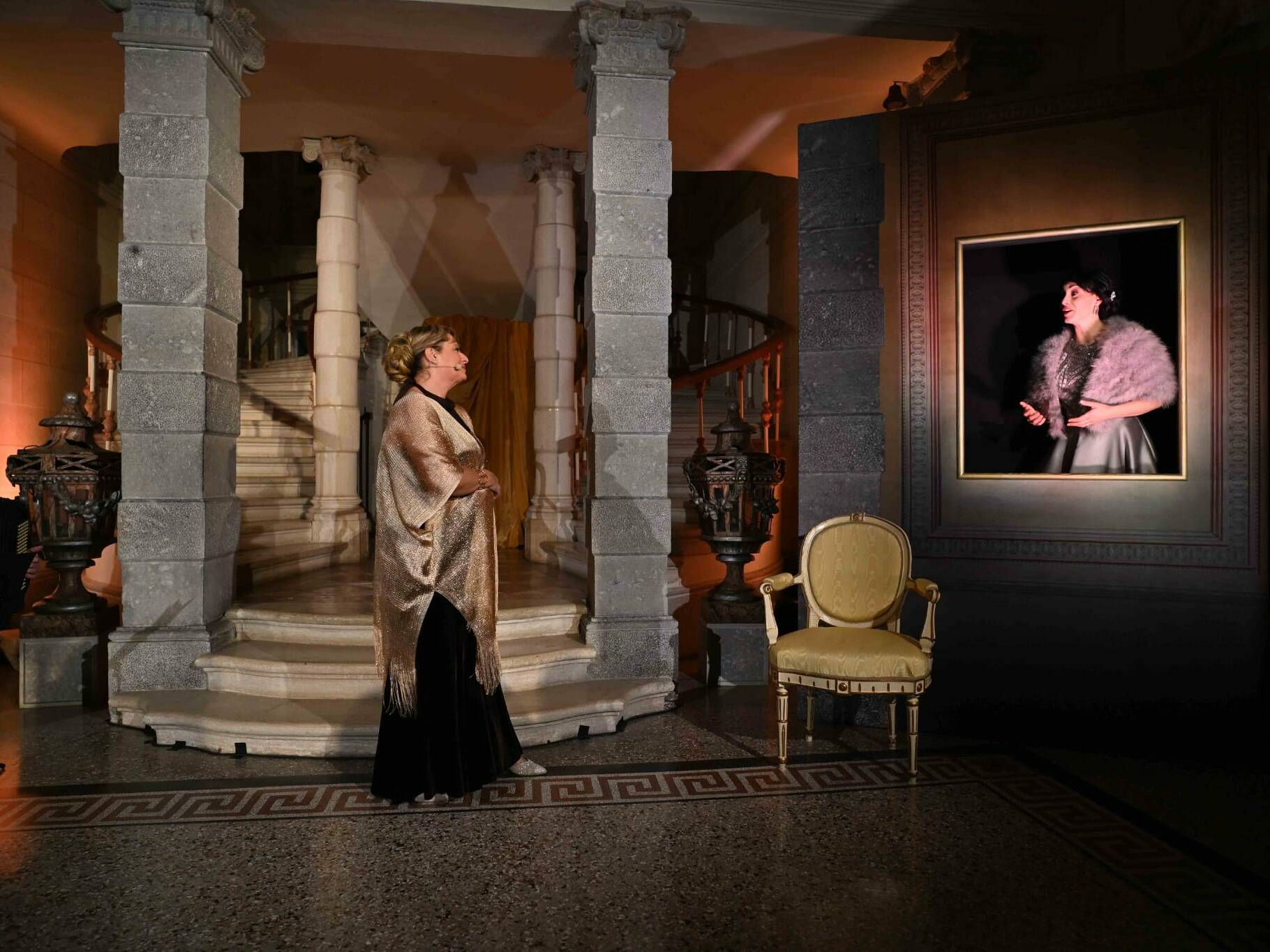
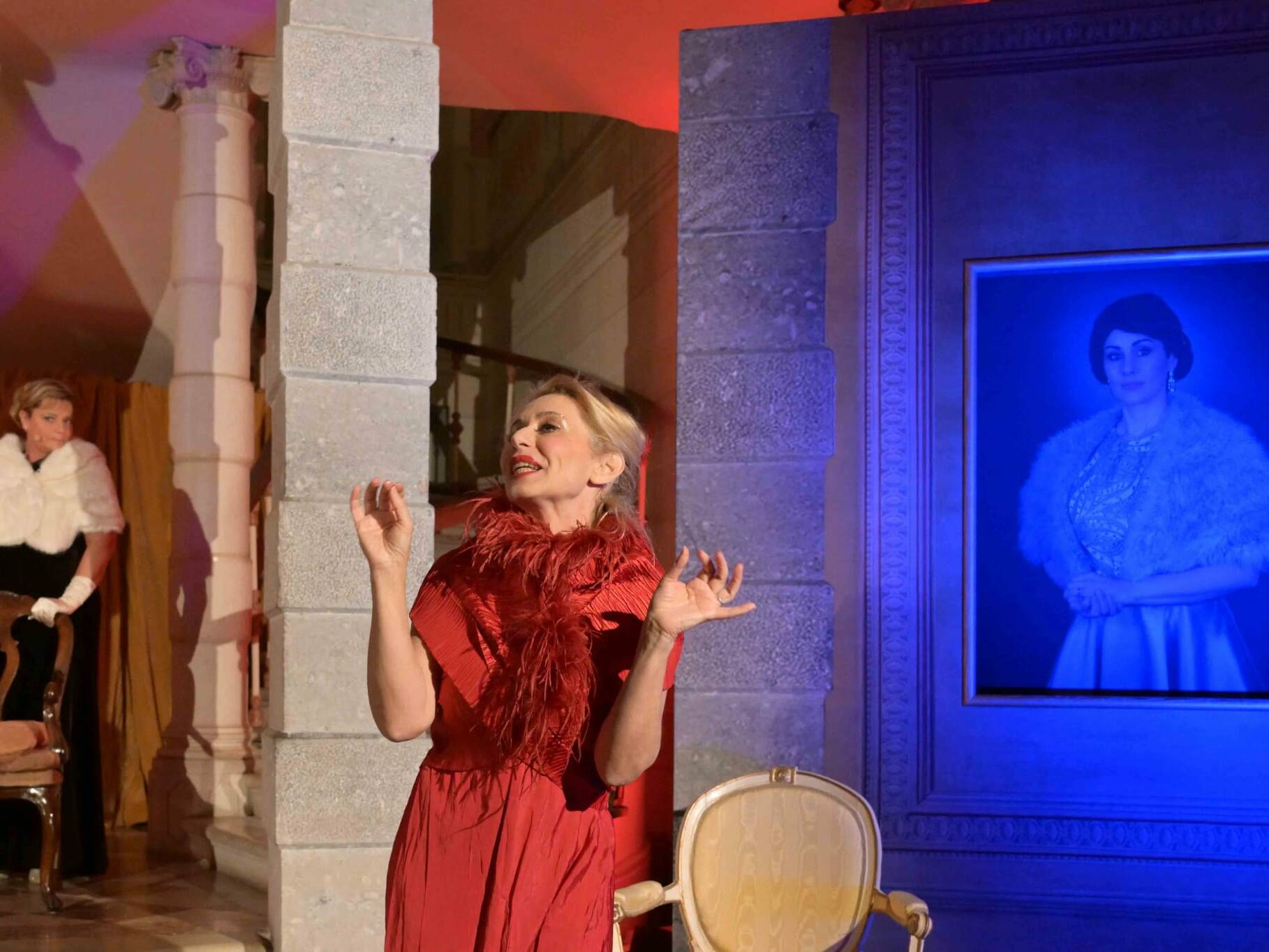
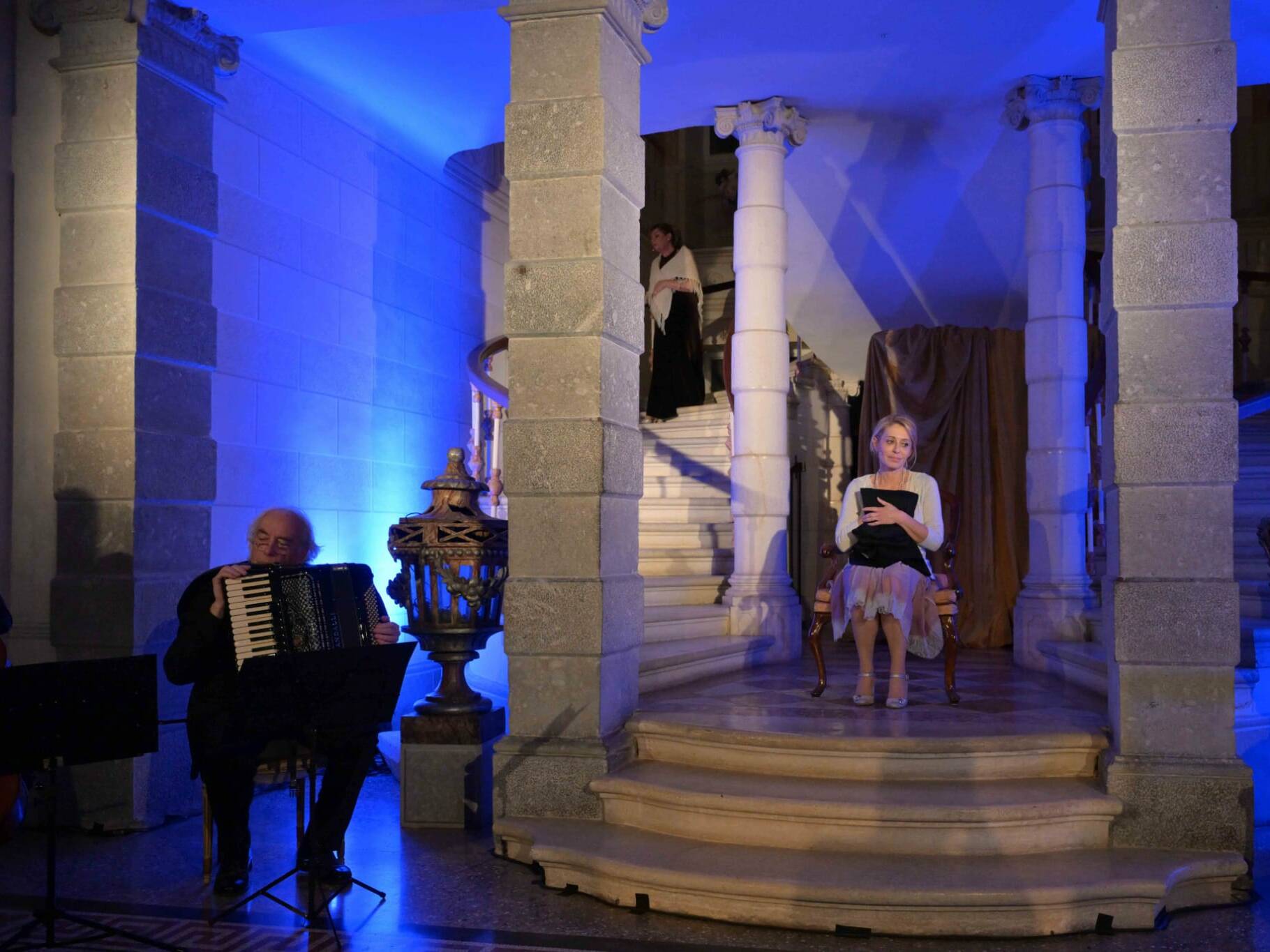
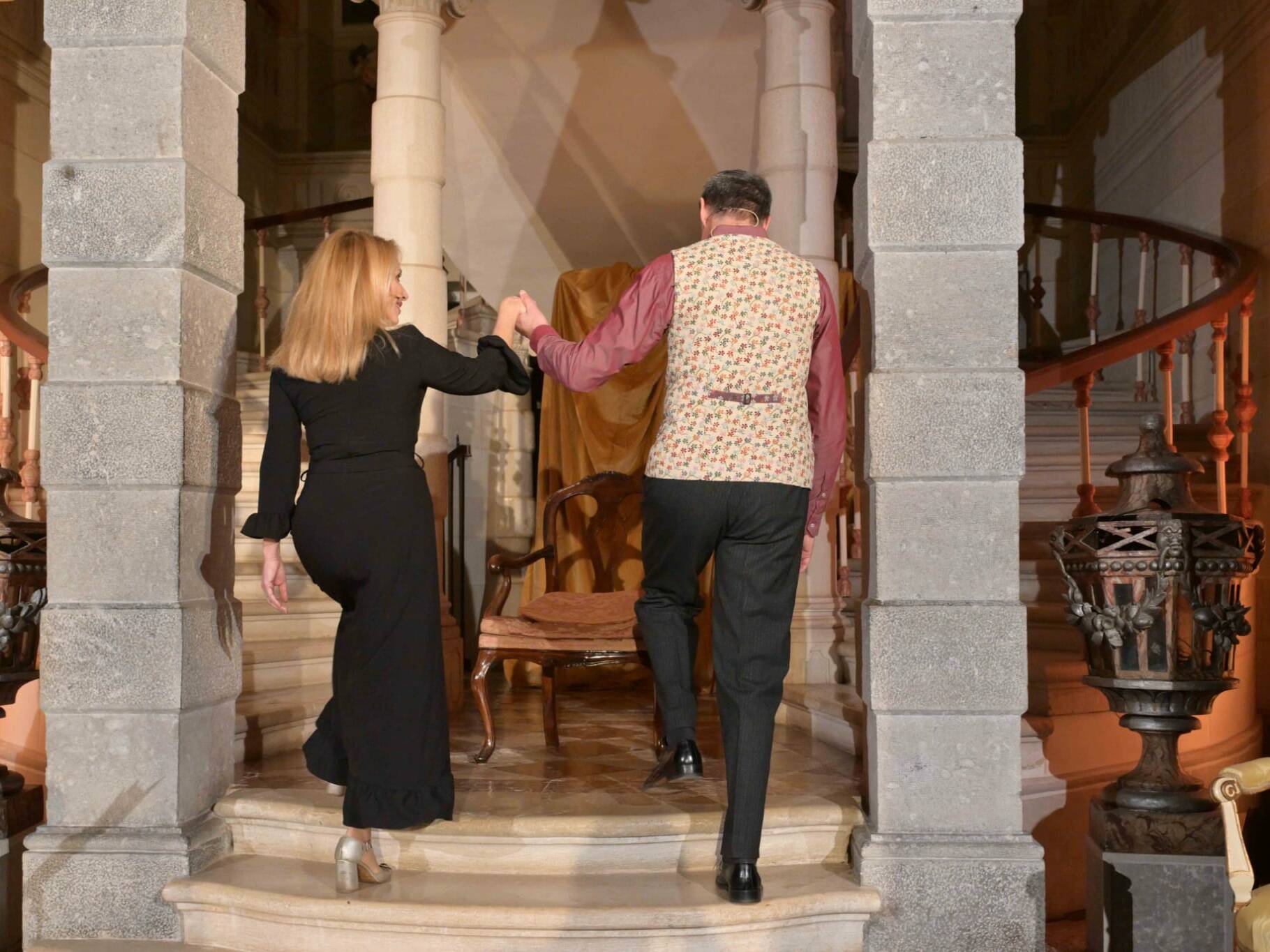
It is to this woman, to her human and intellectual complexity, that Tasty kisses. Of dishes and loves pays tribute. The show, which premiered last December at Villa Pace in Tapogliano, weaves words, music and images into a theatrical journey that restores Giuseppina’s psychological depth, her relationship with time, affections, the earth and knowledge. Food and love become symbolic keys through which to read a life marked by loss, courageous choices and farsighted visions.
After her, her son Gaetano, a professor at the University of Trieste, continued and expanded research on agriculture and traditional grape varieties, while her other son, Giampaolo, devoted himself particularly to the selection of Ribolla Gialla.
Giovanni Comisso (1895-1969) writes about her:
She looked like an ancient lady out of the frame of a picture, erect in her slender figure, firm in her light step, the white lace of her neck and on her chest, matched the white hair, and the gold of her wrists and chain, matched the glittering gaze. As that Rocca (Bernarda) dominated from every window the stretched and distant landscape of the hills and mountains of that Friulian land, and also dominated time with all its past events, between one war and the other, so also that noblewoman with her slow, fresh and precise speech, dominated the memories, the still gushing flattery of life and the custom in receiving me. She…was at the center of that Rocca, of that house, as the Friulian hearth is at the center of the kitchen, but she appeared as the great mother on whom all order depends.
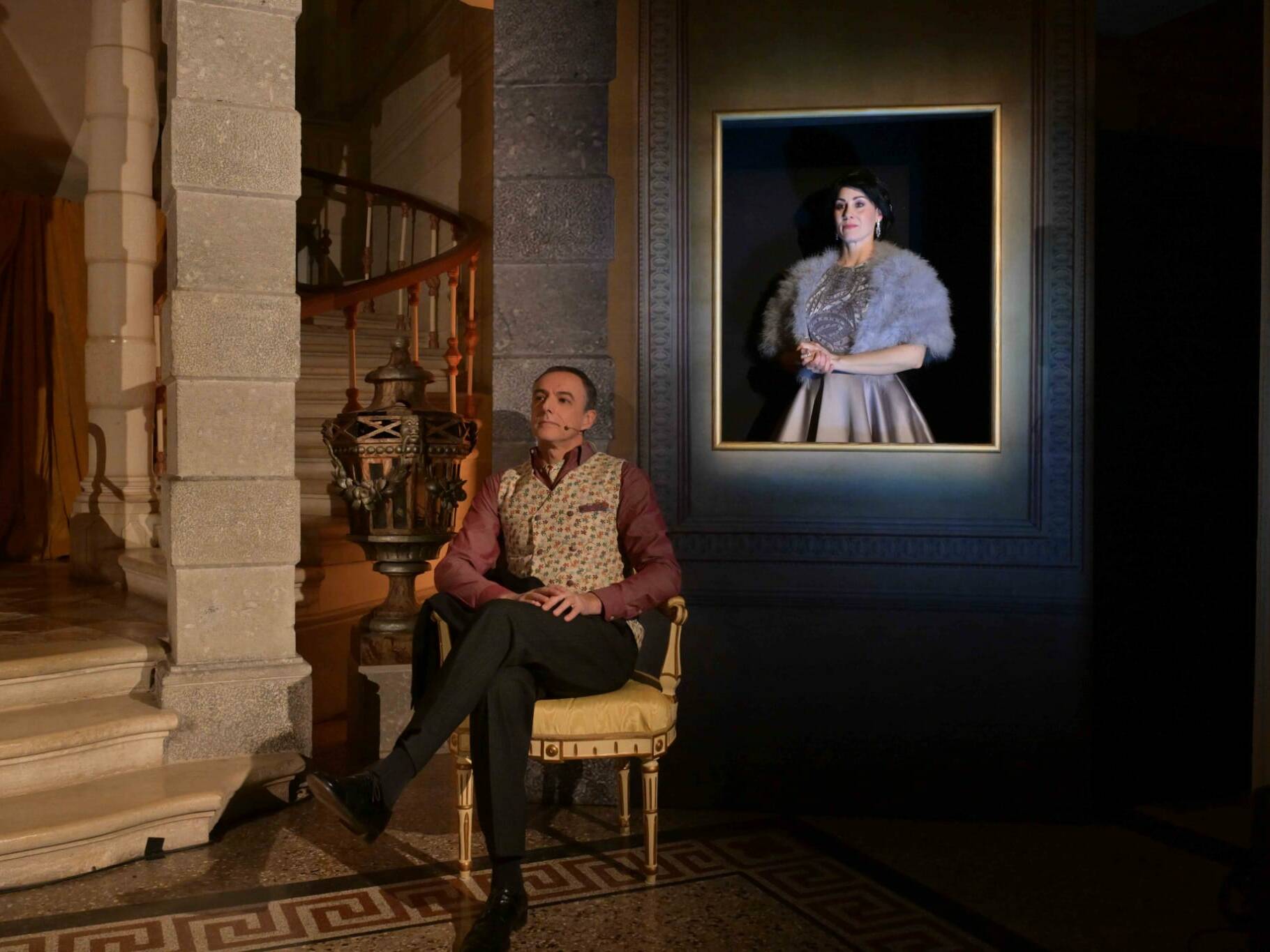
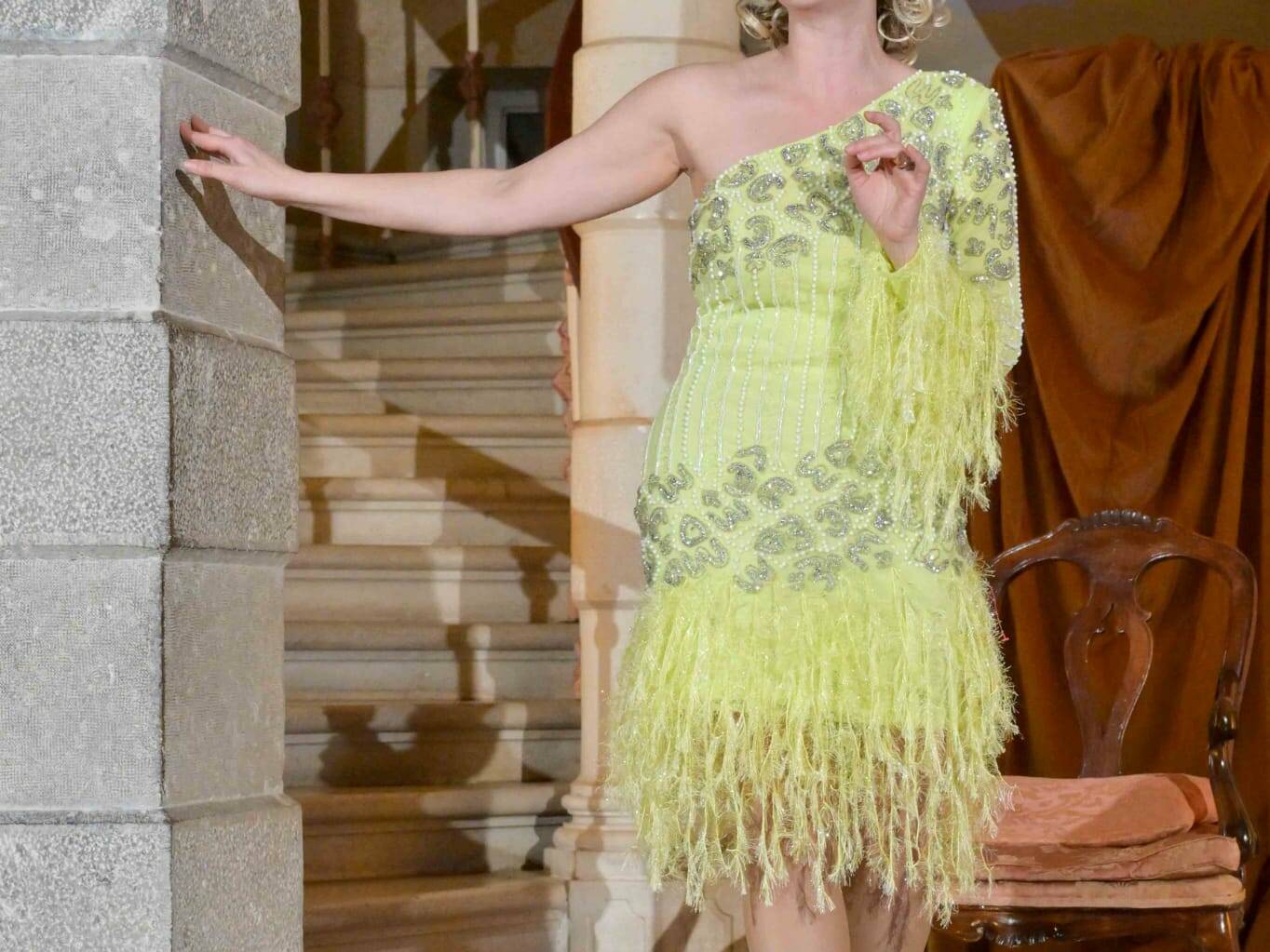
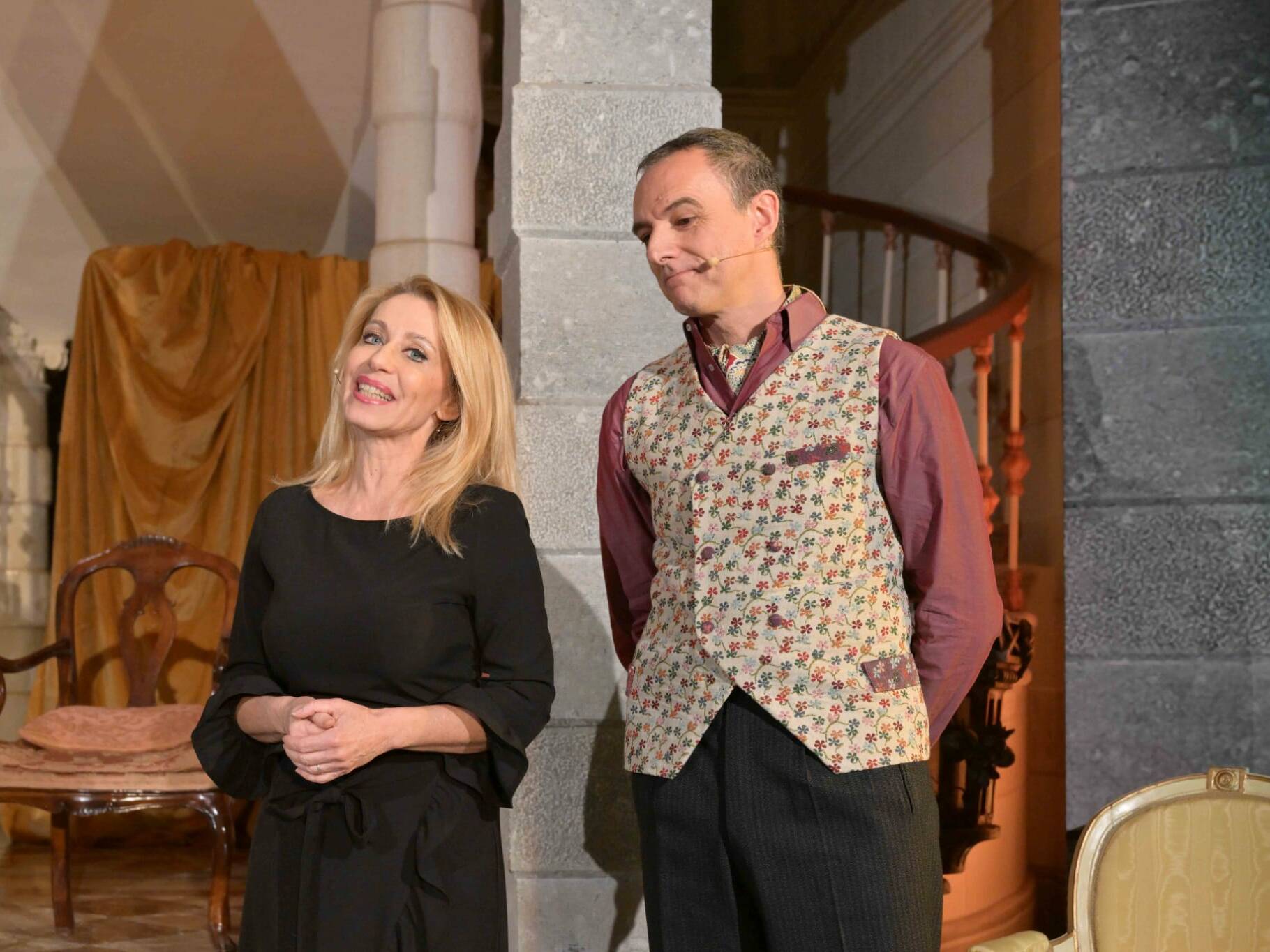
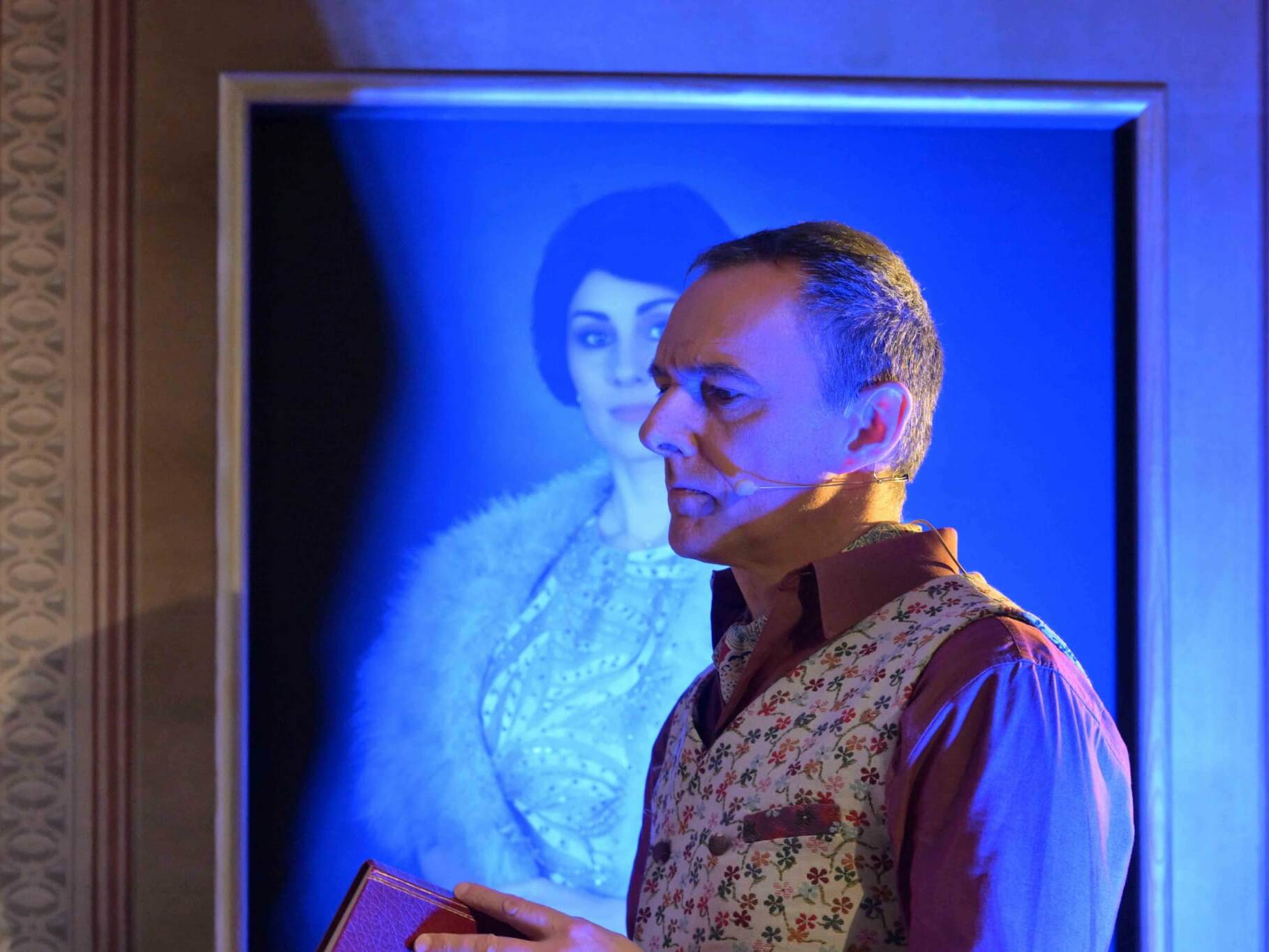
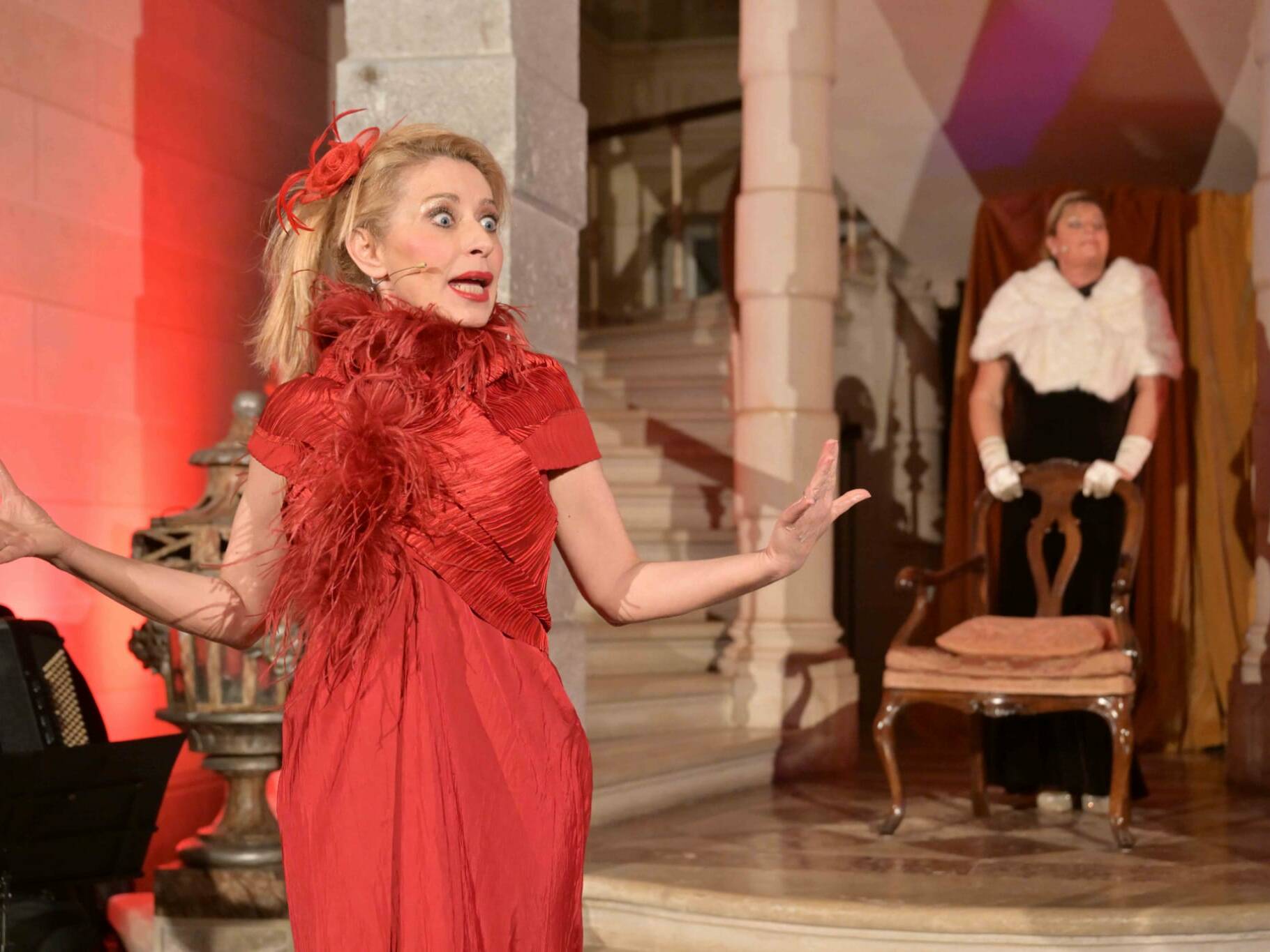
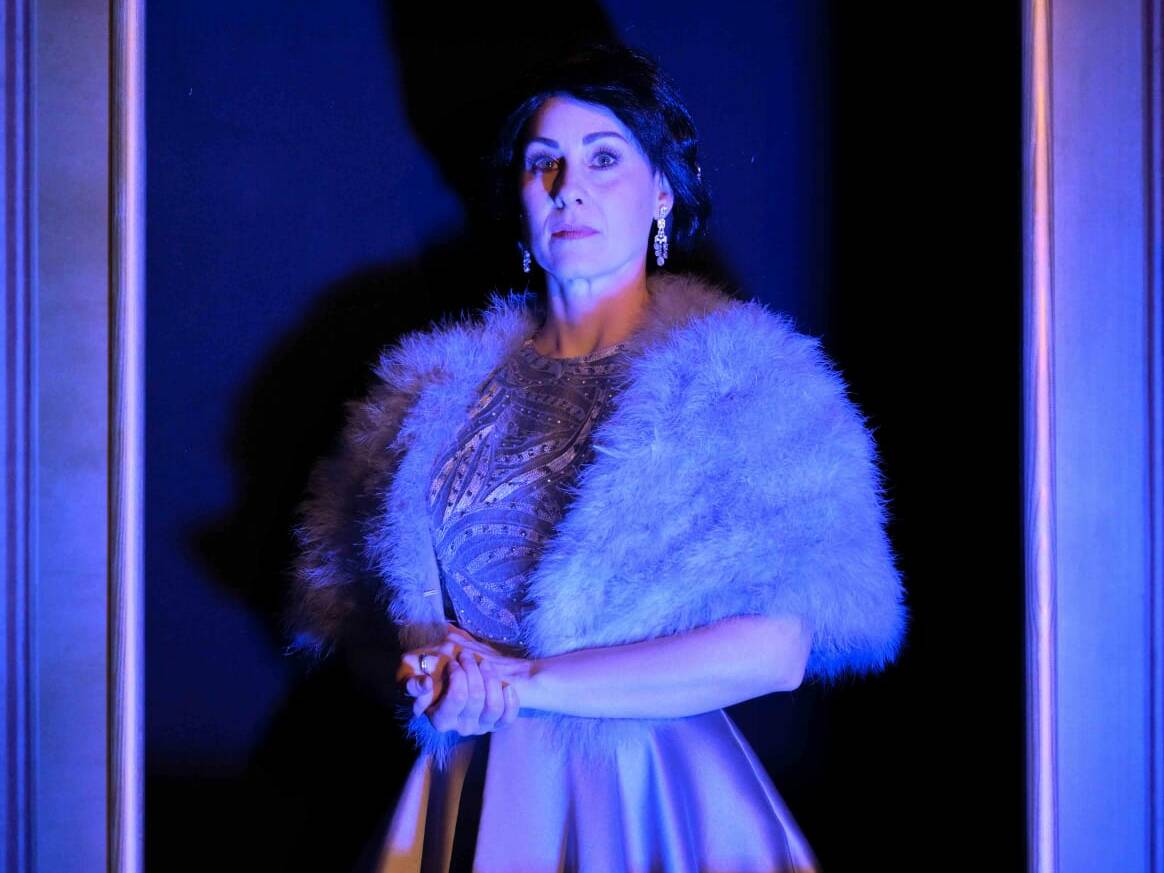
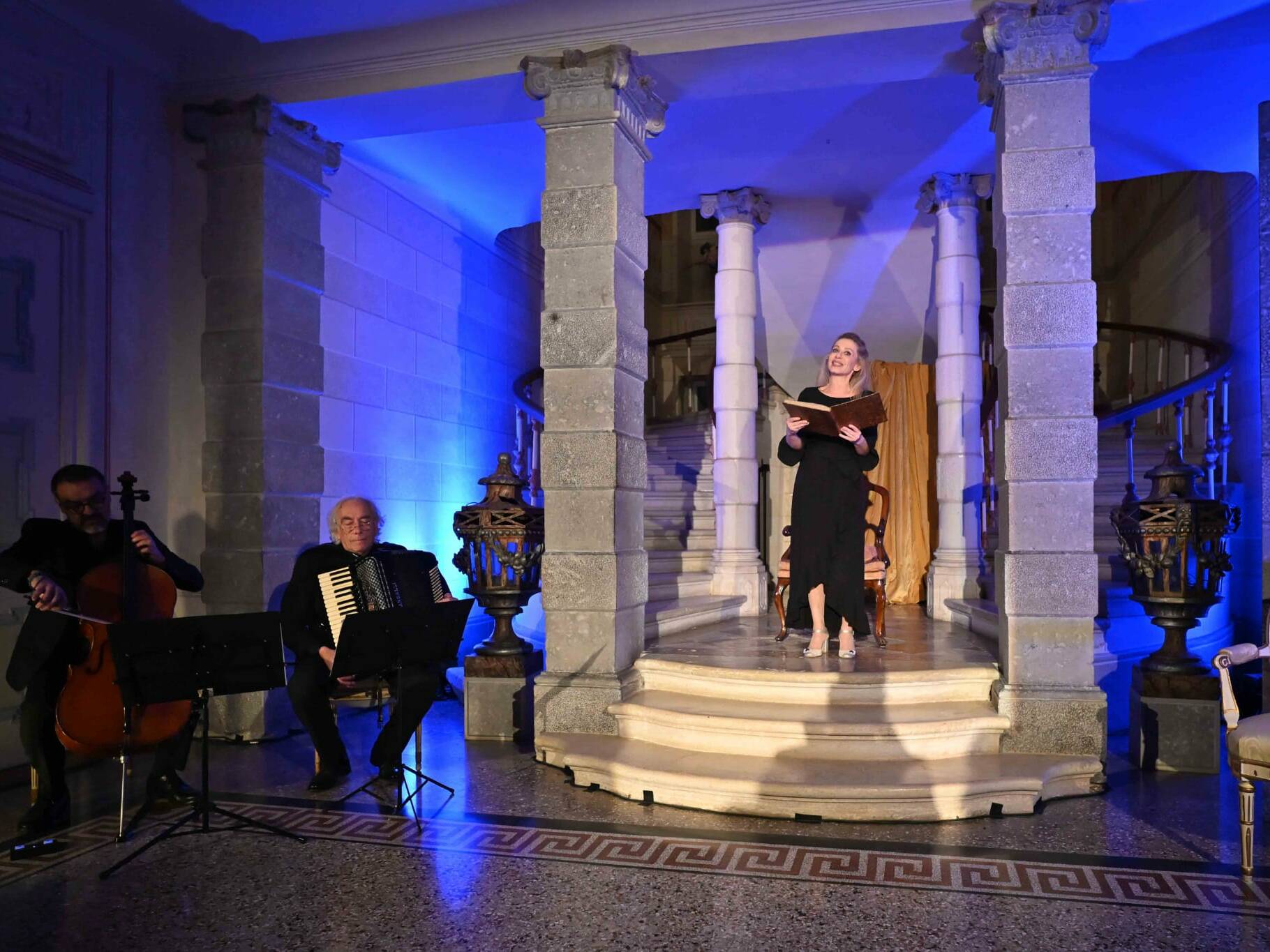
Texts by Fabio Turchini, direction by Bettina Carniato and sets by Andrea and Claudio Mezzelani build a measured and intense narrative, entrusted to actors Giuliano Bonanni and Bettina Carniato and supported by a refined musical score. Soprano Giulia Della Peruta, singer Barbara Errico, Antonino Puliafito on cello and Romano Todesco on accordion accompany the scene as a sound memory that spans eras and feelings.
The show is part of a larger cultural project, supported by the Friuli Venezia Giulia Region, which aims to restore centrality to Giuseppina Perusini Antonini’s legacy. The future re-edition in the Friulian language, edited by ARLeF, of the cookbook Mangiar e ber friulano (Franco Angeli Editore), expected in 2026, is also part of this path: a gesture that reaffirms the value of Friulian language and culture as living tools of knowledge and continuity.
In Sapidi baci, as in the life of Giuseppina Perusini Antonini, everything converges toward a center: a woman capable of holding tradition and modernity, rigor and sensitivity, enterprise and culture together. To remember her today is to recognize that contemporary Friuli owes much to figures who knew how to transform memory into project and knowledge into future.
Condividi su: