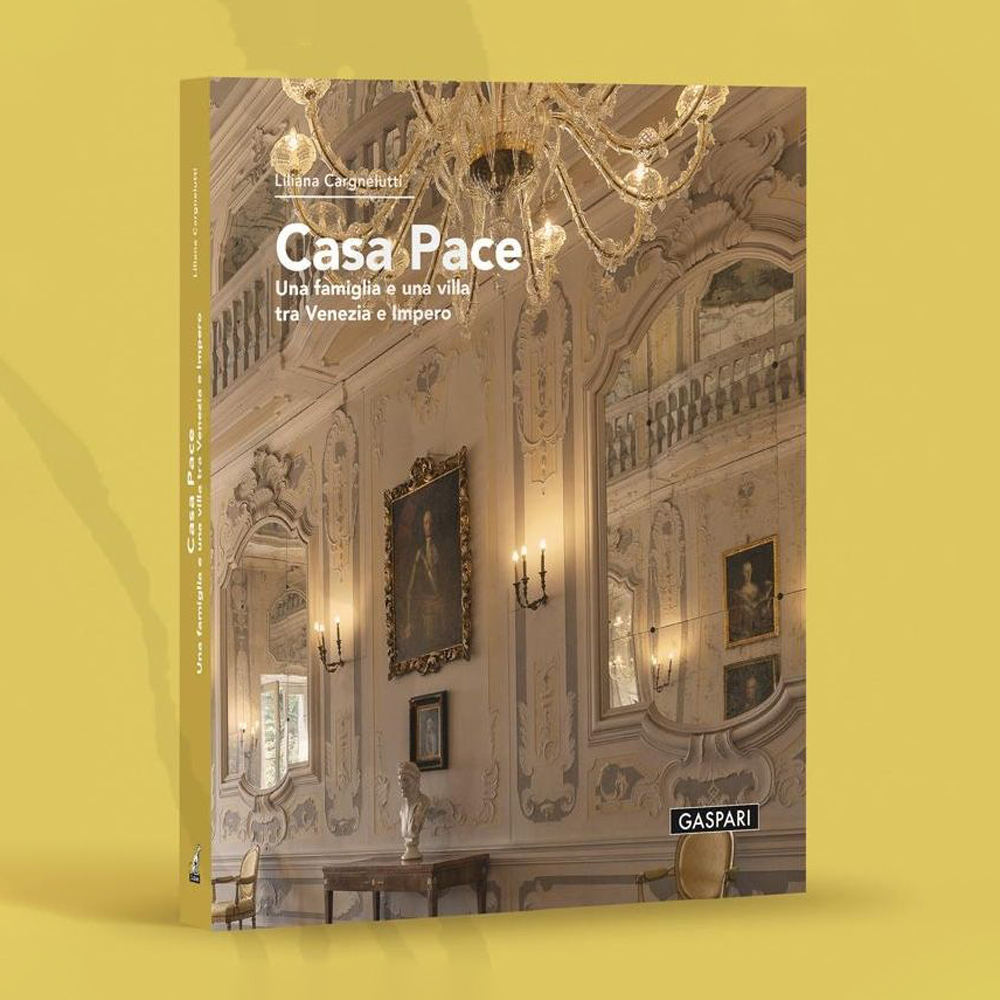
In the heart of the Friulian lowlands, in Tapogliano, Villa Pace stands today as a place of rediscovered memory, but above all as a laboratory for reflection on the profound meaning of private cultural heritage in Italy. The volume Casa Pace. A family and a villa between Venice and Empire. , edited by Liliana Cargnelutti and published by Gaspari Editore, was not born as a simple genealogical reconstruction or architectural monograph, but rather as a wide-ranging work capable of interweaving family history, the territory and civic responsibility.
The long story of the Pace family-which from the fourteenth century reaches the late twentieth century, passing through Venice, Gorizia, Udine, Graz and Vienna-becomes here an interpretative key to a much broader reality: that of the historical residences scattered in small Italian municipalities, assets that cannot be delocalized, deeply rooted in places and for this reason essential to the construction of national identity. Villa Pace, built in a border area between the Venetian and Habsburg worlds, bears inscribed in its architecture, pictorial decorations, book and documentary collections, the sign of this cultural plurality.
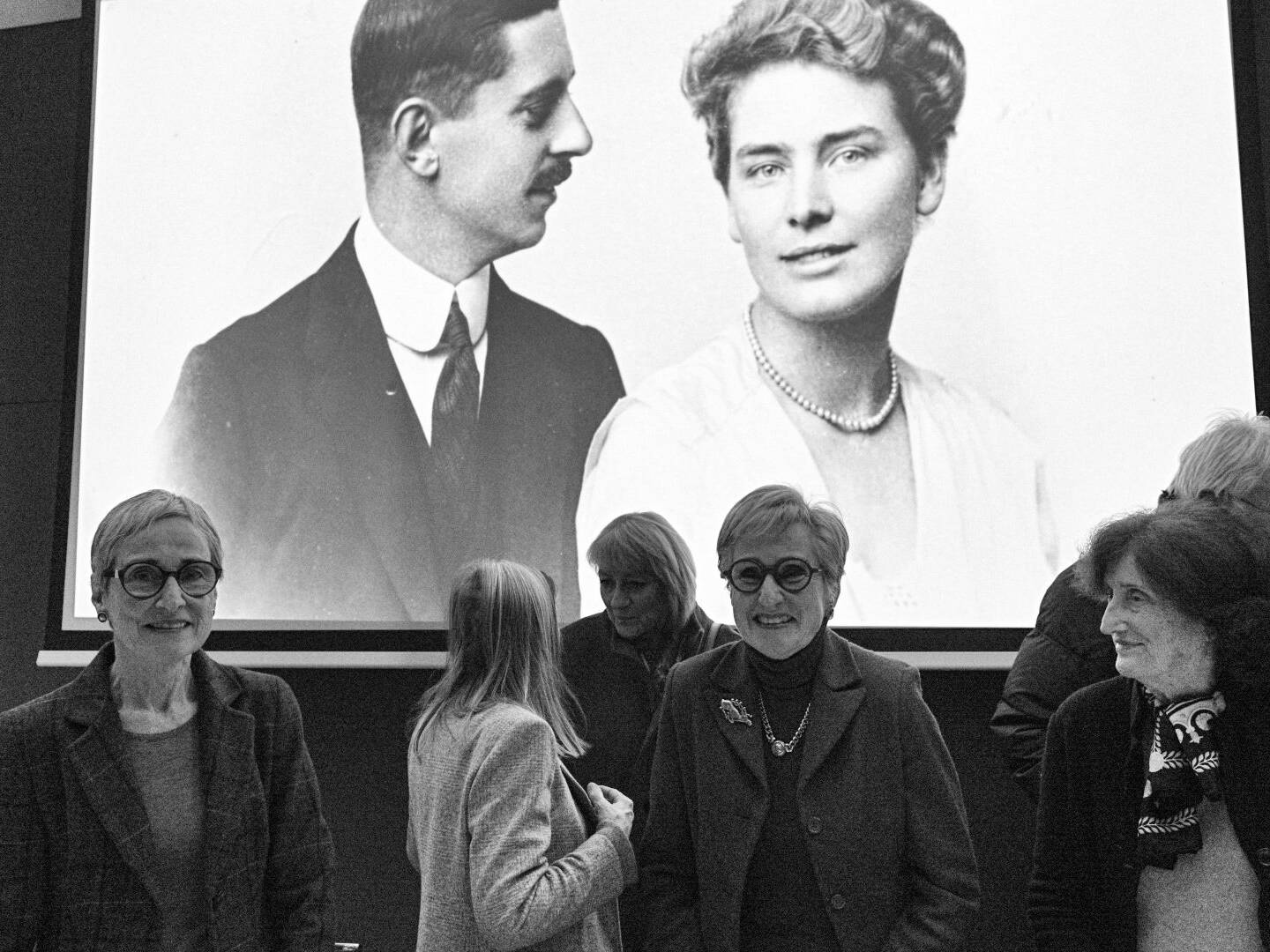
The book consciously takes on the value of a model, in the highest sense of the term: a structured representation of complexity that allows it to be intelligible. Recounting the choices, commitment and sometimes difficulties of Teresa Perusini and Giacomo Pace, the work illuminates the condition of many owners of historic homes, called upon to guard a significant part of the nation’s cultural heritage often in the absence of adequate institutional support tools. The multidimensionality of these assets emerges powerfully: historical, artistic, social, economic and symbolic.
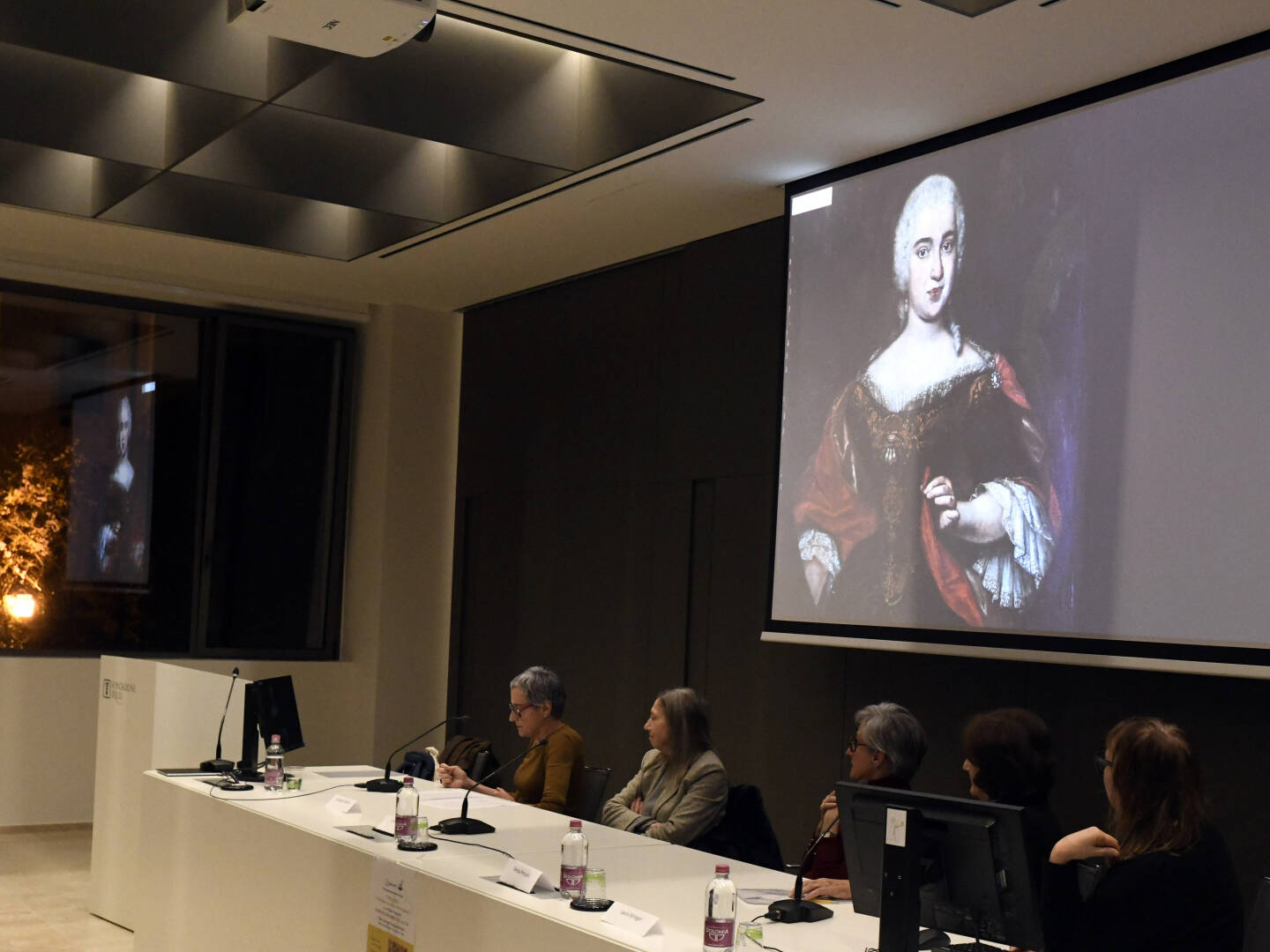
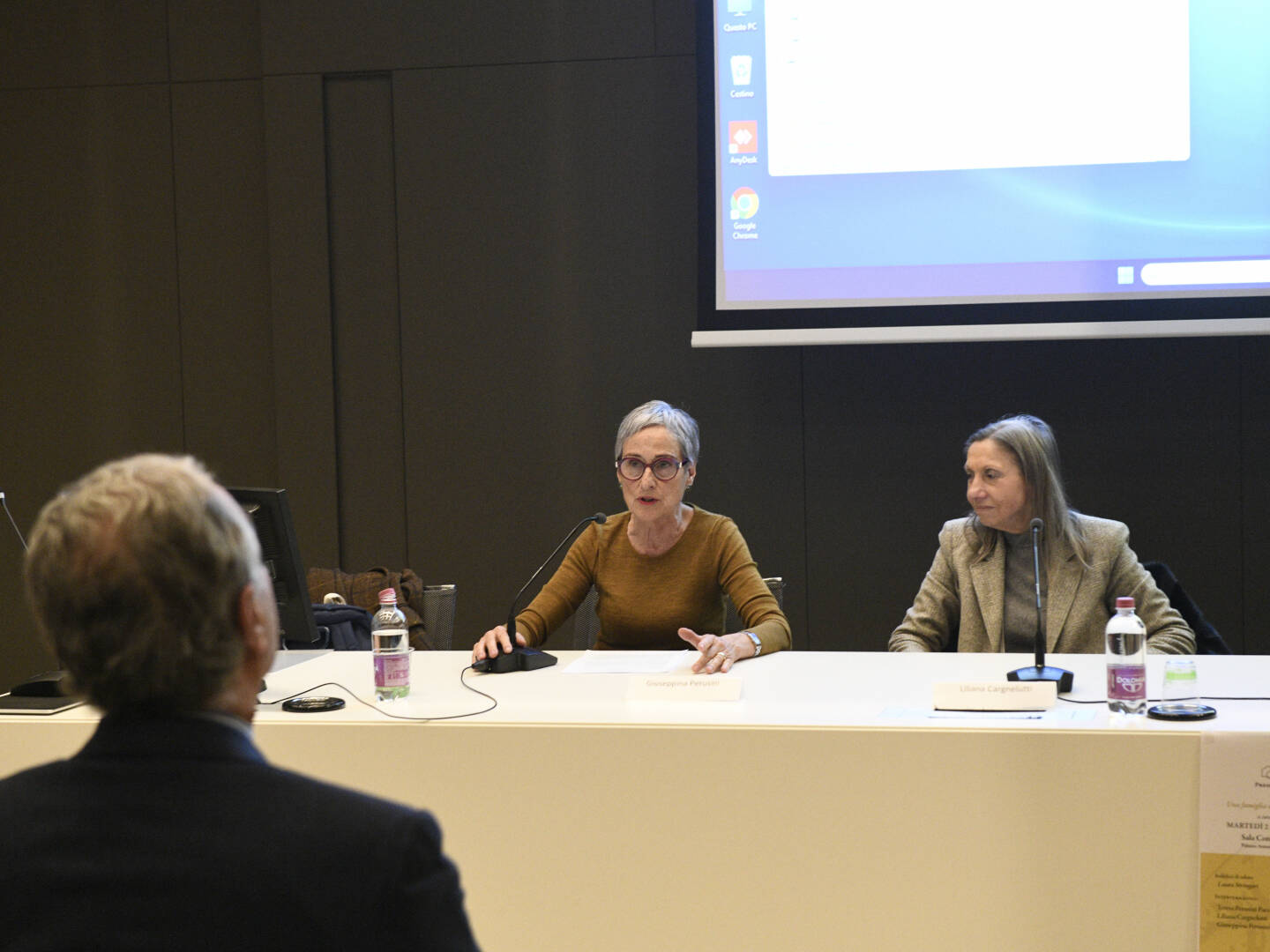
The restoration of Villa Pace, initiated twenty-five years ago and consciously intended as a never ending work, takes the form of a passing of the baton between generations. Not a work destined to be finished, but an ongoing process of care and knowledge. In full coherence with Cesare Brandi’s thought, the restoration here proves to be a privileged moment for the knowledge of the work of art: the grisaille mural paintings of the main floor, brought back to light, have opened new perspectives on the cultural orientations of the family at the end of the 18th century; archival investigations have allowed the reconstruction of dynastic passages and relationships that had been forgotten until then.
The volume is also notable for the breadth and quality of the scholarly work. Historians and art historians were called upon not only to study the Pace family, but to place it in the broader political, cultural and economic context of Venetian and imperial Friuli between the seventeenth and eighteenth centuries, up to the dramatic events of the two world wars. The loss of entire family archives, destroyed during the bombing of Gorizia in 1917, made the research even more complex, imposing a patient work of recomposition through Italian and Austrian archival fonds: an exemplary exercise of methodological rigor and international cooperation.
But Casa Pace is also a deeply contemporary book. Through reflection on the care and custody of the works of the past, the work interrogates our present, marked by speed, standardization and efficiency understood as an absolute value. In counterpoint, the historic home asserts itself as a space of cultural resistance, a place where slowness becomes knowledge and complexity a resource.
Villa Pace thus becomes a paradigm of a civil economy based on beauty, intergenerational responsibility and connection with the territory. A private asset that, by its very nature, takes on a public function: cultural garrison, engine of sustainable development, instrument of soft power for the country. In this sense, the book is not only a celebratory milestone of the twenty-fifth anniversary of the restoration, but an act of witness and an appeal to institutions and civil society to recognize, support and share a long-term vision.
Casa Pace reminds us, finally, that we are not called to finish the work, but we are not allowed to shirk from it. It is in this awareness, at once humble and lofty, that lies the deepest meaning of the project: to transform the care of the past into a life choice and a common good.
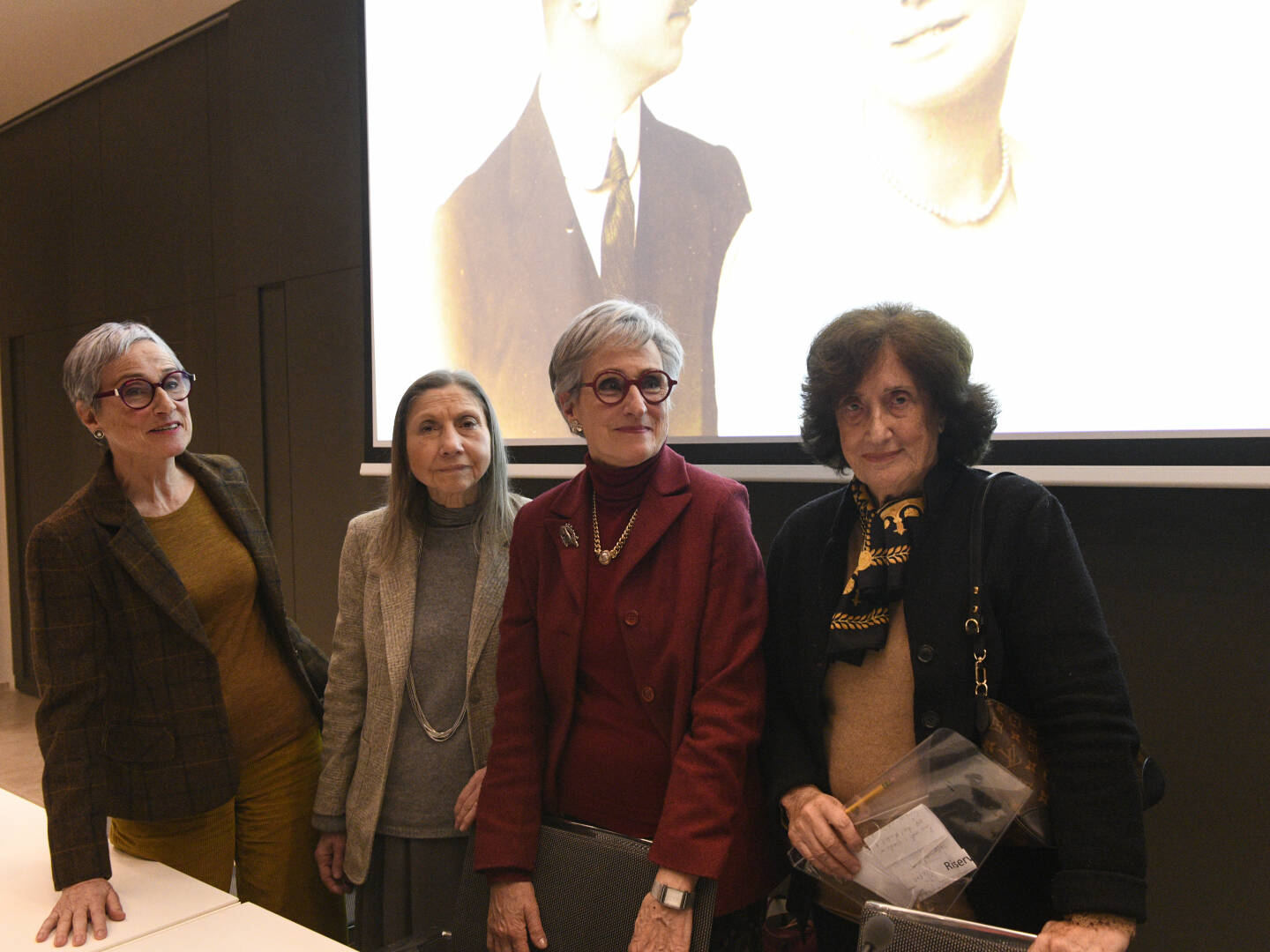
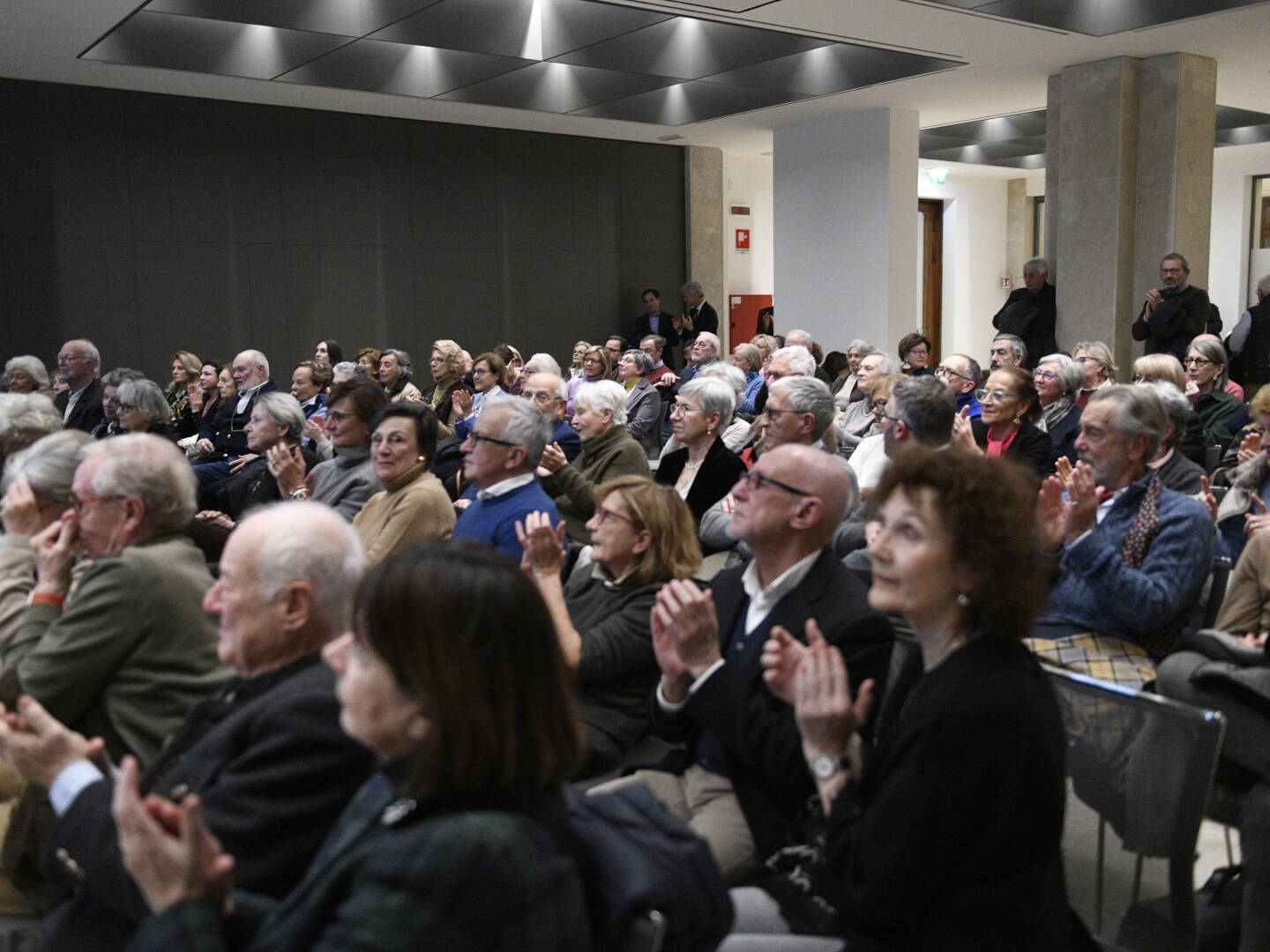
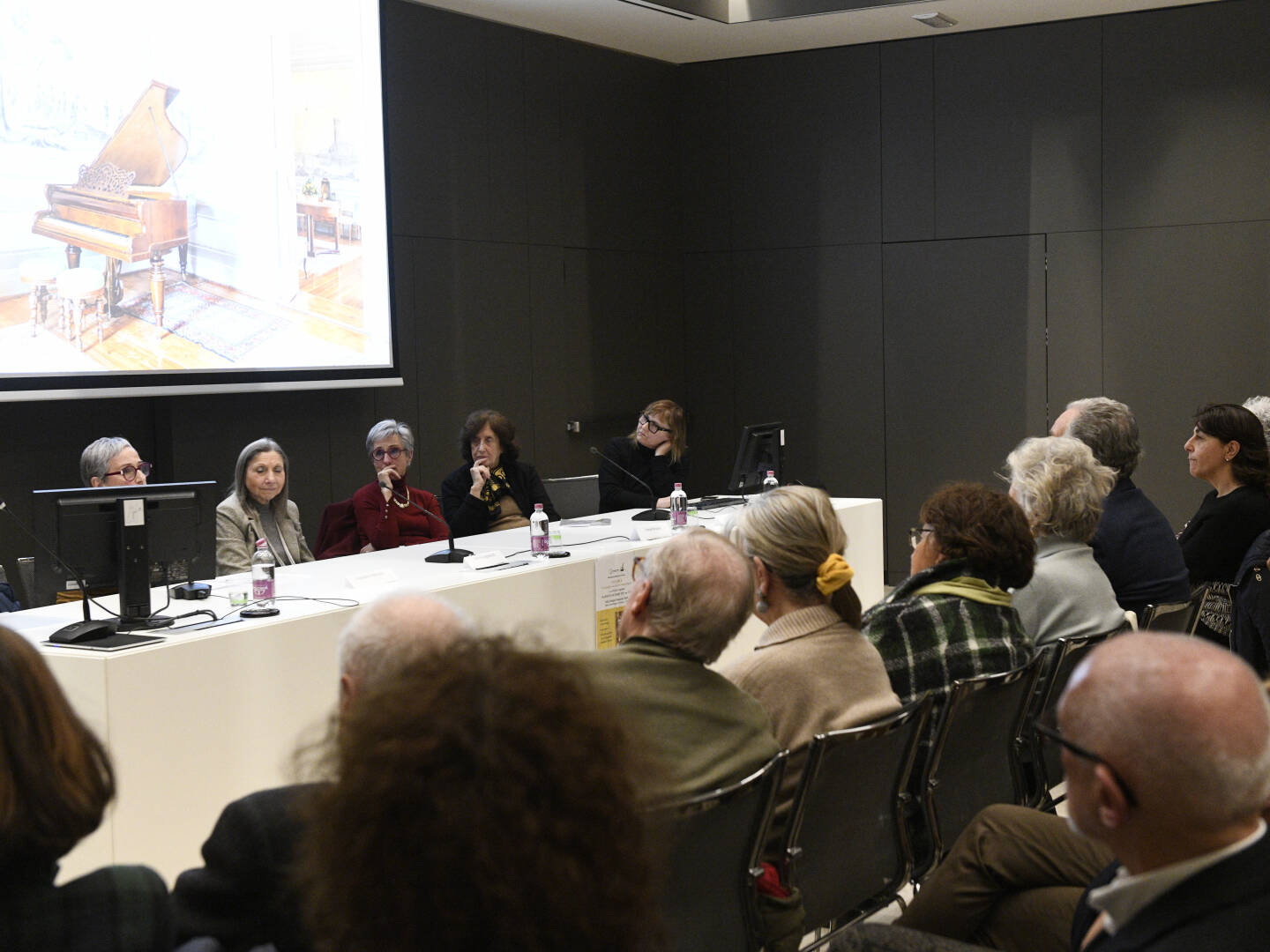
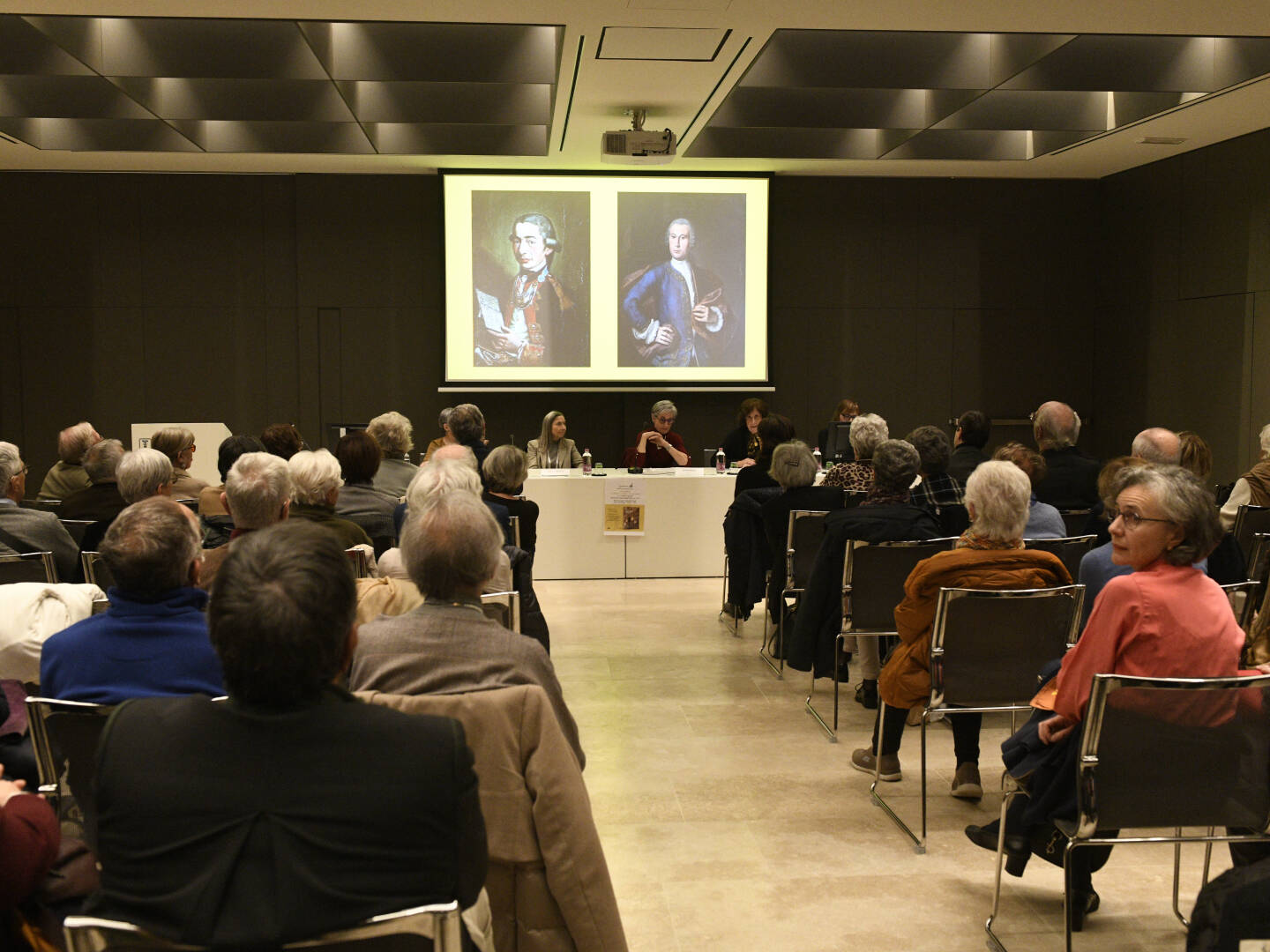
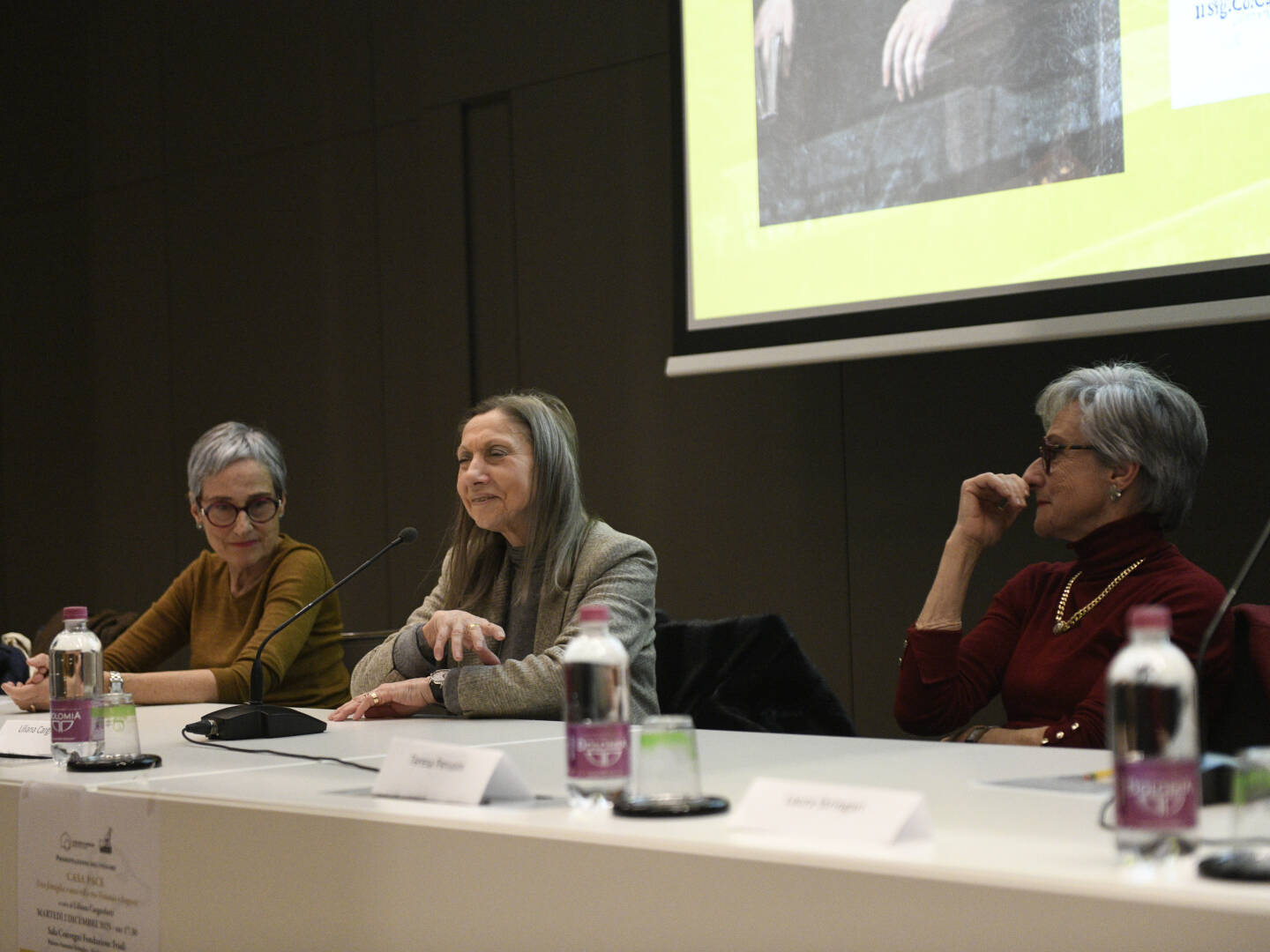
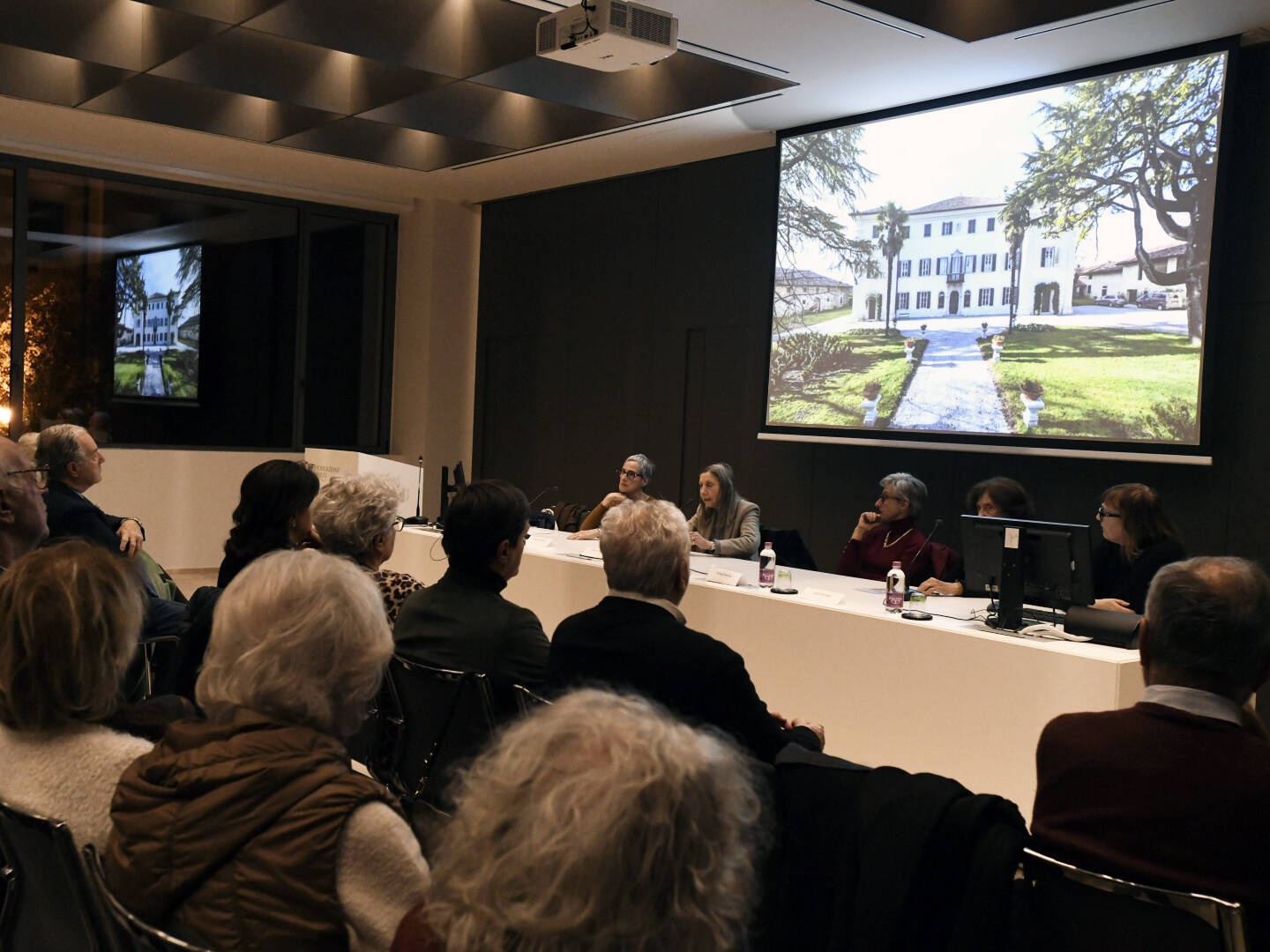
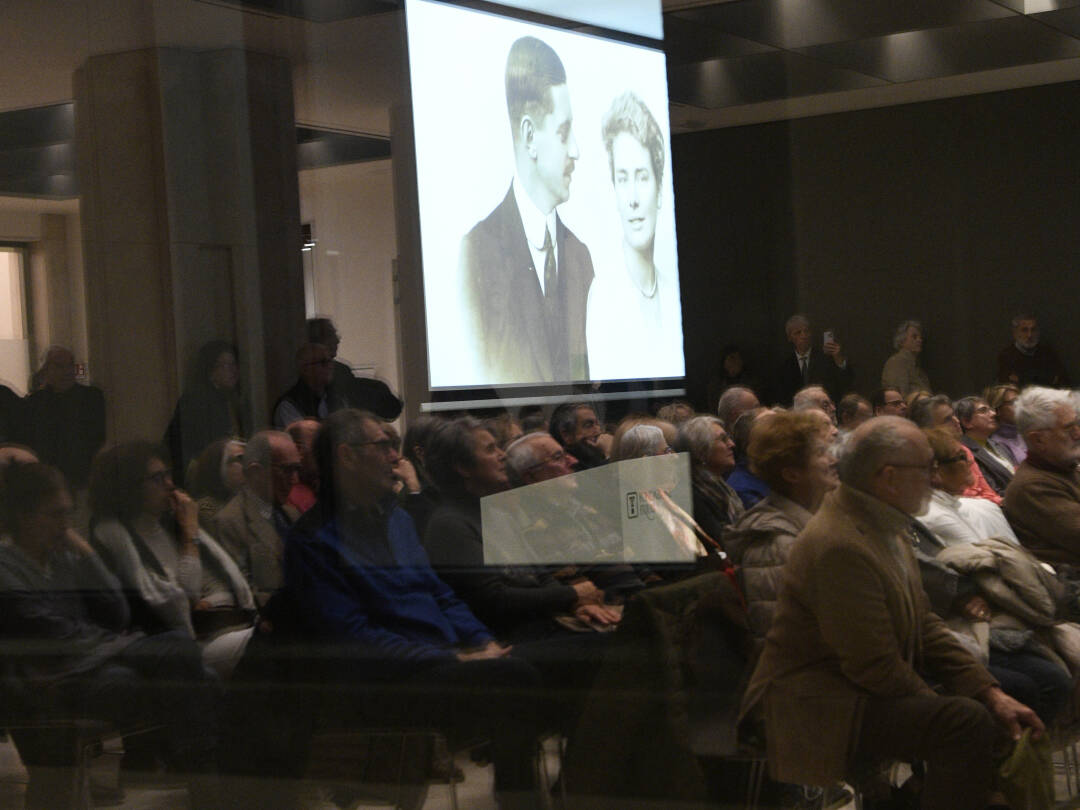
The volume was presented on Tuesday, December 2, 2025 in the Friuli Foundation Convention Hall in Udine in the presence of the editor, Professor Liliana Cargnelutti. It is available in bookstores and online by clicking here: Casa Pace. A family and a villa between Venice and Empire. .
Condividi su: